Why Regular AC Servicing Can Save You Money.. ...
07 nov. 2025
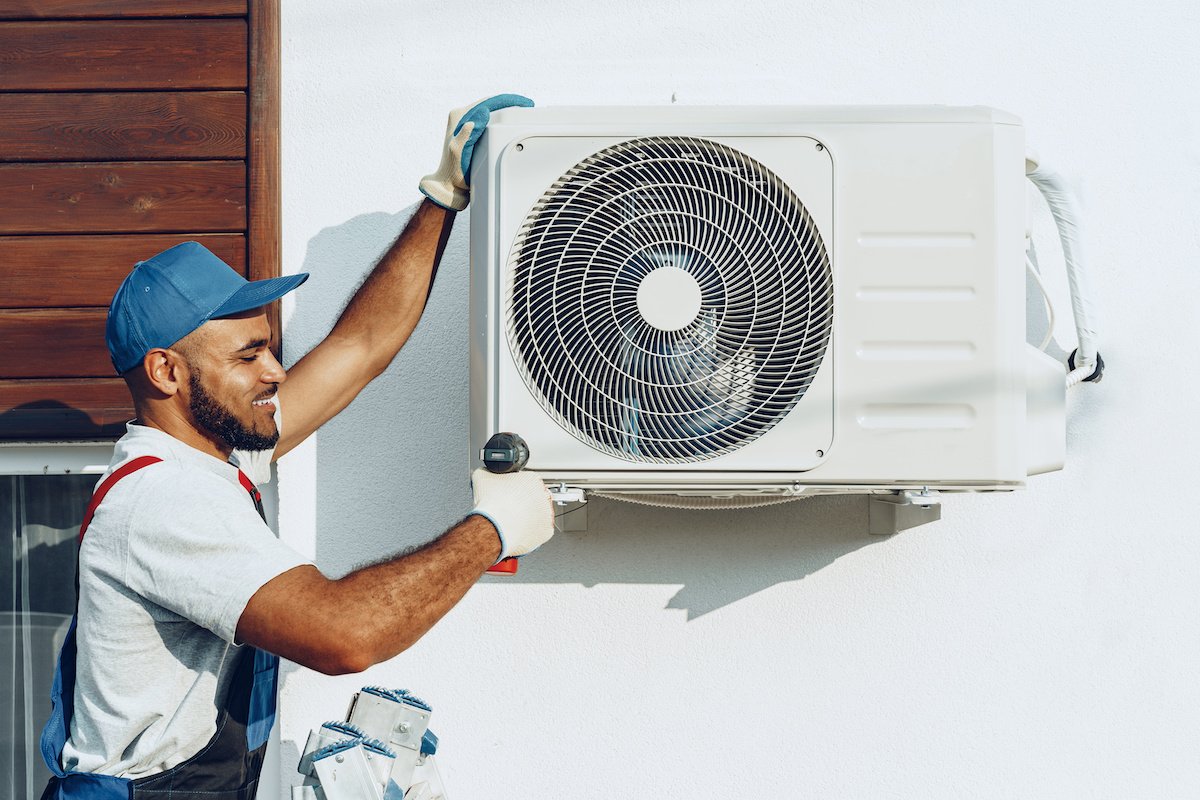
When it comes to a split-type air conditioner, even the best model won’t deliver optimal performance if the installation is sub-par. An incorrect setup not only undermines comfort, but also drives up energy bills and shortens the equipment’s lifespan. In this article we’ll explore common installation mistakes in split AC systems, why they matter for cooling efficiency, and what to look for (or fix) to get full value from your investment.
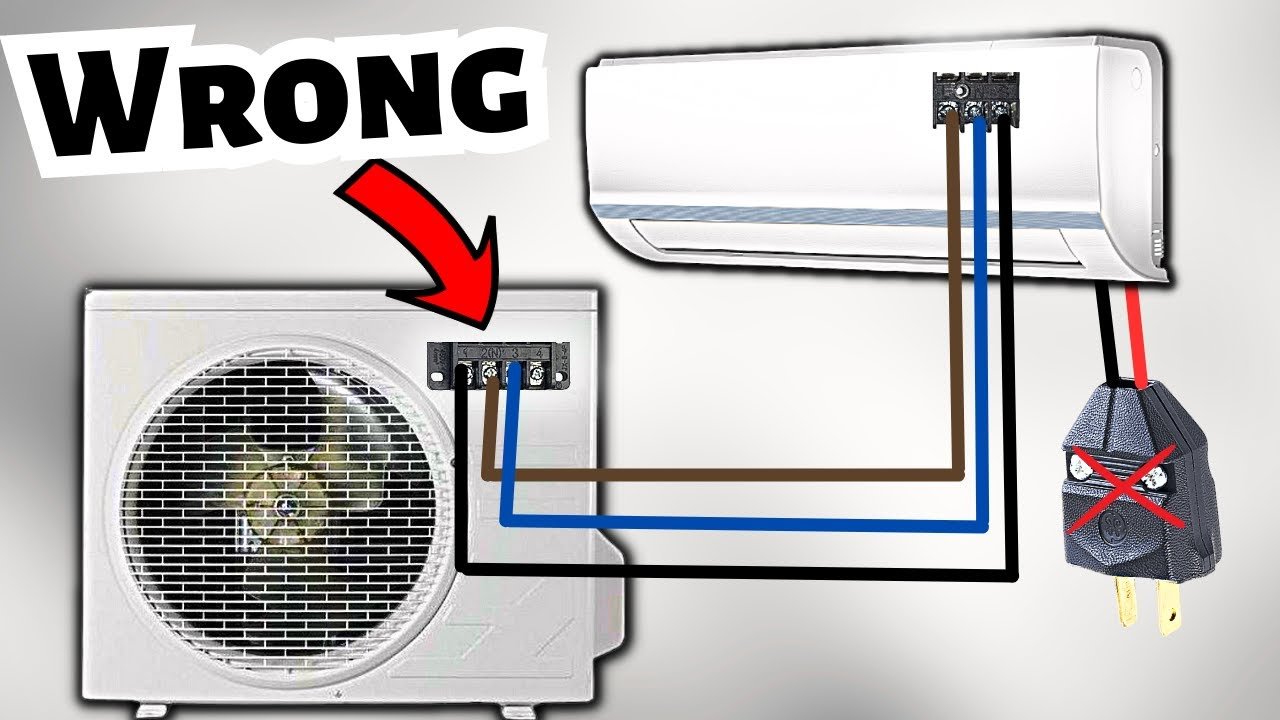
Your split AC system consists of multiple key parts: the indoor unit, outdoor unit (condenser), refrigerant lines, drainage, electrical wiring, and insulation. Each of these must be correctly installed so the system can do its job. According to industry sources, installation errors such as wrong sizing, improper placement, bad wiring or insufficient insulation all contribute to reduced system performance.In short: a well-installed AC ensures smooth airflow, proper heat exchange, correct refrigerant charge, safe electrical operation — all of which add up to efficient cooling with lower energy use.
Here are frequent errors installers make, and how each one impacts cooling efficiency:
a) Wrong Unit Size (Over-sized or Under-sized)
b) Poor Placement of Indoor or Outdoor Units
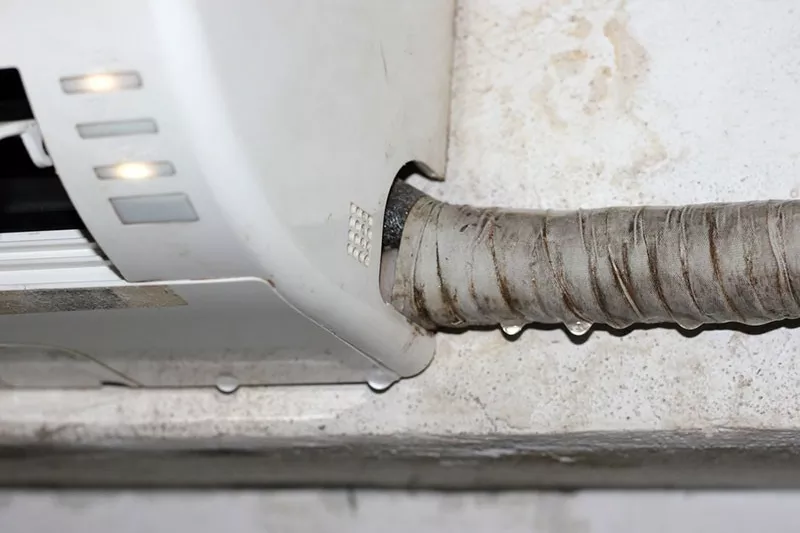
c) Improper Refrigerant Line Work & Insulation
When installation mistakes accumulate, the system must work harder to deliver the same cooling — that means consuming more electricity. Studies note that improper install can increase running costs and shorten the life of the unit.
For example, you may notice:
If you’re installing a split AC (or supervising the installation), consider this checklist:
Because of all the variables (sizing, placement, refrigerant charge, drainage, electrical, airflow), a split AC installation demands skill and experience. Poor installation isn’t just an inconvenience — it undermines the performance of an otherwise good AC unit.
When you work with a reputable service provider, you reduce risk of: voided warranty, shortened unit life, higher energy bills, frequent repairs.
In sum: The efficiency of your split AC system doesn’t depend only on the brand or model — installation quality matters just as much. From choosing the right size to placing the indoor and outdoor units correctly, from piping and drainage to electrical work — each step plays a part in how well your system performs.
Getting it right means better cooling, lower power bills, longer equipment life and peace of mind. Getting it wrong leads to discomfort, inefficiency and hidden costs.
If you’re planning a split AC install (or suspect your current unit is under-performing), take a closer look at the installation. Investing correctly now will pay off in years to come.